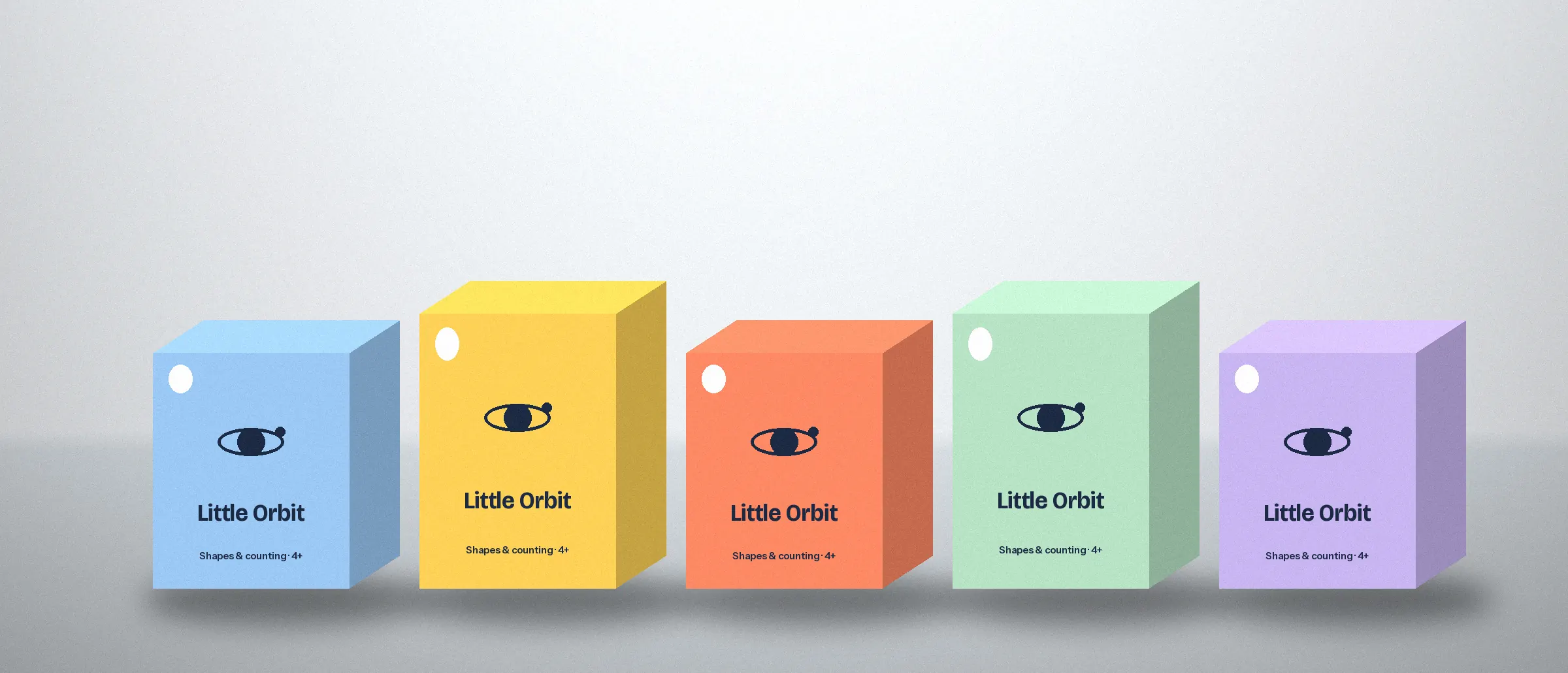
It rarely happens in one decision. A new flavour is launched with a slightly different layout because the printer needed it fast. A festive pack introduces a second typeface. A large-size variant gets a new colour because the old one looked dull at scale. Five years later the range sits on shelf like products from three different companies.
This is range creep, and it is one of the most common problems in established FMCG and family businesses. It is also one of the most expensive to ignore, because every inconsistent pack makes the brand a little harder to find and a little easier to swap for a competitor.
Don’t throw away what people already recognise
The instinct is often a full redesign. That can be a mistake. A brand with real distribution has something a new brand would pay a lot for: recall. Customers already know your colour, your logo or the shape of your pack, even if they couldn’t describe it.
So the first job isn’t to design anything. It is to find out which of your current elements carry that recognition, and protect them.
Build a system, not a set of packs
Once you know what to keep, the fix is a packaging system: a small set of fixed rules that every SKU follows, and a clear place where variants are allowed to differ. In practice that usually means:
- A fixed position and size for the brand mark
- One typeface family, with defined roles for product name and claims
- A colour logic for variants that is easy to extend
- A template for the back of pack, so legal and nutritional information stops reshaping the front
With those rules in place, the next SKU takes days instead of weeks, and it looks like it belongs.
Where to start
Lay every current pack on one table, or one screen, and ask a simple question: if the logo were covered, would you still know these are one brand? If the answer is no, you don’t need more packs. You need a system. That is the work our packaging design is built for, and a free brand clarity call is the easiest way to see where you stand first.